Rhode Island Battery Storage
OneGrid is the Ocean State’s Local Energy Security Experts
Keep Your Lights On, Even When the Neighborhood Goes Dark.
- Power That Works for Rhode Island
- Keep critical loads powered during outages and winter storms
- Reduce reliance on the Rhode Island Energy power grid
- Supported by a local team that understands Rhode Island energy programs
See how battery storage can protect your home.
Our Rhode Island experts will evaluate your property and show how a battery can reduce costs, earn revenue, and improve resilience.
Our Guarantee
Every system includes a 10-year workmanship warranty, so you never have to worry about the what-ifsthe unknownspeace of minddependability.
Brands You Can Trust

Enphase batteries offer modular, reliable energy storage with seamless solar integration. Designed for resilience, they provide dependable backup power and flexible scalability for Rhode Island homes.

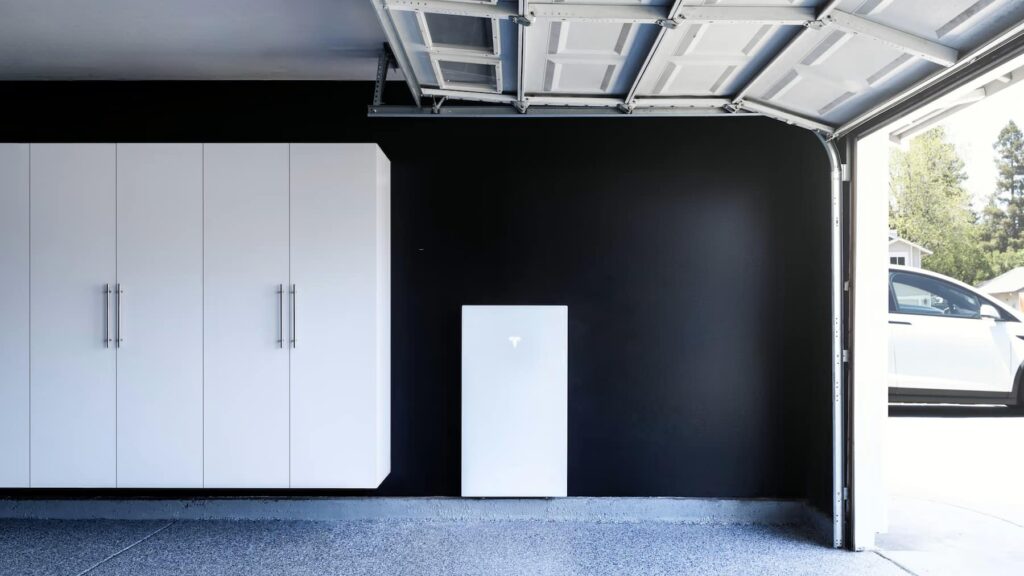
Tesla Powerwall systems deliver high-capacity home battery storage with intelligent energy management. Popular across Rhode Island, they support backup power, grid participation, and whole-home resilience.

FranklinWH batteries are built for whole-home backup and high-power demands. With robust capacity and storm-ready performance, they’re well suited for Rhode Island winters and extended outages.
Outage-Proofing Your Home Made Easy
Local Battery Experts
OneGrid's local Rhode Island battery specialists manage every step of your home energy storage project, from initial assessment to activation. We design and deploy reliable battery systems built for Rhode Island Energy grid conditions, state and federal incentives, and winter resilience.
Store Energy. Use It When It Matters.
Residential battery storage lets Rhode Island homeowners store energy for use during peak pricing, outages, or winter storms. A home battery increases energy independence, lowers electric costs, and keeps critical systems powered when the grid goes down.
Resilience for the Way You Live
A home battery provides backup power for heating systems, appliances, and essential loads during Rhode Island power outages. Designed for New England weather, battery storage delivers peace of mind, reliability, and long-term value year-round.
The Reasons Battery Storage Systems Make Sense
A battery backup system delivers more than just peace of mind. While some benefits are obvious, others can make a critical difference during power disruptions across Rhode Island.
- Reliable backup power for rural and remote Rhode Island homes
- Protection against severe New England weather and winter storms
- Peace of mind during grid disruptions, emergencies, and outages
- Resilience during rolling brownouts and utility blackouts

Are You Considering a Battery Backup System?
The first step is to have a conversation without any pressure. We’ll respond to your enquiries and assist you in determining whether, how much, and why battery storage would be a wise choice for you.
FAQ's
Common Rhode Island Energy Storage Questions
In Rhode Island, a battery system acts as a smart bridge between your solar panels and the utility grid. During the day, your panels charge the battery; at night or during an outage, your home draws from this stored energy instead of the grid. This setup allows for "islanding," meaning your battery automatically disconnects your home from the utility during a blackout to keep critical appliances, like refrigeration and medical equipment, running safely.
We provide a range of lithium-based batteries with either an LiFePO4 (Lithium Iron Phosphate) battery chemistry or an NMC (Nickel Manganese Cobalt) battery chemistry.
Yes. Through Rhode Island Energy’s 0% financing program, eligible Rhode Island residential customers can access zero-interest financing for residential battery storage systems. Low-income customers on the A-60 rate can apply for a 0% loan to cover equipment and installation costs when paired with enrollment in the ConnectedSolutions battery program. This lets you spread the cost of your battery system over time without paying interest, making storage more affordable while you earn incentives and build resilience.
The Renewable Energy Fund (REF) offers a specific grant called the Energy Storage Adder to lower your upfront costs. For 2026, homeowners who install a battery at the same time as their solar system can receive a flat $2,000 grant. Because this is a grant and not a tax credit, your installer handles the application and applies the $2,000 as a direct discount on your system price.
ConnectedSolutions is a utility-run demand response program that pays battery owners for allowing limited use of stored energy during peak demand events. Both homeowner-owned and third-party-owned battery systems can participate.
For homeowner-owned batteries, incentive payments are typically paid directly to the homeowner.
For batteries installed under a lease or managed ownership structure, ConnectedSolutions revenue is incorporated into lower monthly costs or shared
The solution to this is complicated and contingent upon several variables. These variables include the quantity and charge of batteries at the time of the outage, the amount of energy the property is using during an outage, and more. The size of a battery or bank of batteries should be sufficient to power your house until the grid is restored. You might install a smart service panel solution, like a SPAN panel, to have better control over how much electricity you use during an outage.
Yes. You can install a home battery as a standalone system without solar panels. In this configuration, your battery connects directly to your home’s electrical panel and charges using electricity from the utility grid.
Most modern solar batteries last between 10 to 15 years, depending on usage and environmental conditions. OneGrid installs premium-grade batteries with long warranties and reliable performance for years to come.
Indeed. Because battery storage systems are modular, you can always add more capacity. It's advisable to build a new solar panel array with batteries in mind if you anticipate adding them in the future.
Yes! If you already have a solar system, OneGrid can retrofit a compatible battery storage solution. Our team evaluates your setup and recommends the best integration for optimal efficiency and savings.
It depends on your energy habits and system size. OneGrid’s specialists perform an energy assessment to help you choose the right battery size for your household needs and backup goals.
Absolutely. While lithium-ion batteries can be sensitive to extreme cold, leading manufacturers now include integrated heating blankets and liquid thermal control systems to ensure optimal performance even in low temperatures. Solar panels actually become more efficient in cold weather, allowing them to continue trickling power into your battery even on sunny but freezing January days.
Reviews
What Our Clients Say Matters
Every OneGrid customer experience reflects the trust and quality behind our services. Their voices aren’t just validation, they’re a guiding force for our continued innovation in clean energy.
OneGrid made going solar easy and stress-free. Dexter walked us through every detail, and the team handled everything professionally. Our power bills are down by 70%, and we feel great knowing our home runs on clean energy.
Sarah L


