Going Solar 101
Home – Going Solar 101
Utilising OneGrid
In several U.S. states, we have provided services to thousands of residential and commercial clients. With that experience comes a tried-and-true method where we handle your project from beginning to end. Here are a few of the most frequent queries we receive.
FAQ's
Getting Ready for Your Installation
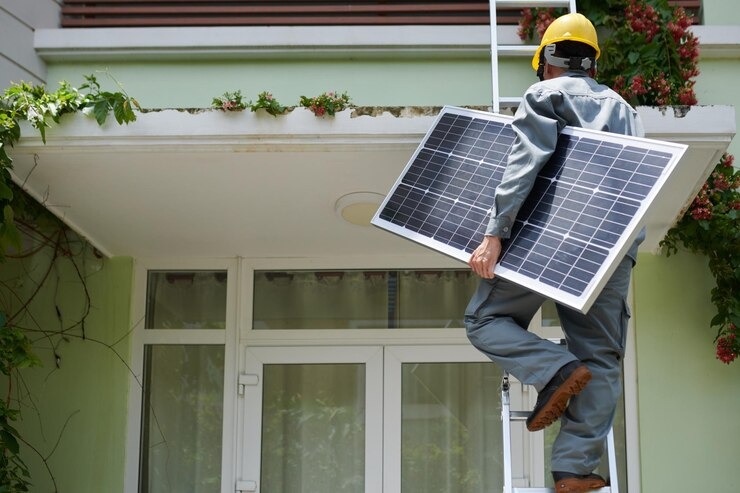
Depending on the project's size and complexity, the majority of home solar systems can be installed in two to five days. Installing all of the panels and wiring for bigger commercial installations could take several weeks or longer.
Although we make every effort to make your solar installation as straightforward and non-invasive as possible, you should anticipate some disturbance to your daily routine because this is construction. Having said that, ensure that the space where the installers will be operating is clear and convenient. Make sure to clear the spaces where a battery system or electric vehicle charger might be put, as well as the regions surrounding your electric panel and utility meter. Finally, it is important to secure any animals that can obstruct the installers' work.
The ESV is a crucial phase that entails visiting a site to collect data necessary for developing a precise solar panel system design. The specialist will examine the pitch and condition of the roof, take pictures with a drone, take pictures of your electrical system, gather structural data through your attic if necessary, and more.
OneGrid will develop a solution based on your requirements and the special characteristics of your property. To determine how many panels you need to generate energy to meet your energy demands, we'll examine your electricity use habits over the previous 12+ months. Angles, obstacles, and shade possibilities will all be taken into account when designing your home's roof. In the end, we want your approval of the final design specifications.
Examining your monitoring program on a web browser or app is the quickest approach to determine whether your solar panels are operating. Examining your energy bill or utility account on a regular basis is a slower method of determining whether your solar panels are operating. Checking your energy bill and monitoring should become a daily practice.
A well-designed, installed, and maintained solar system can last over 30 years. Nevertheless, owning solar panels requires very little upkeep. You may take a few precautions to keep them in excellent condition. See our eBooks on how to maintain your solar panels and the operation of your solar energy monitoring equipment.
Because most solar panels are made to tilt at an angle, the majority of dust, dirt, debris, and snow may simply fall off or be blown away by the wind. Rain usually reduces the need for any form of routine cleaning. Take a look at our cleaning advice for solar panels. Please get in touch with OneGrid first if you think they are unclean enough to need assistance.
The majority of OneGrid systems come with a 25-year warranty. Nevertheless, there will probably be several warranties with different levels of coverage for your particular solar project. Every part, including racking, panels, inverters, and accessories like batteries and/or chargers for electric vehicles, will come with a warranty.
Do You Need More Help or Do You Have a Different Problem?
For monitoring links and support information, or to submit a customer service ticket, go to our Customer Service page.